Soft-Touch Lamination: Benefits, Limitations, and Best Uses
Soft-touch lamination gives custom packaging a smooth, premium feel. Learn its benefits, limitations, costs, and where this finish works best.
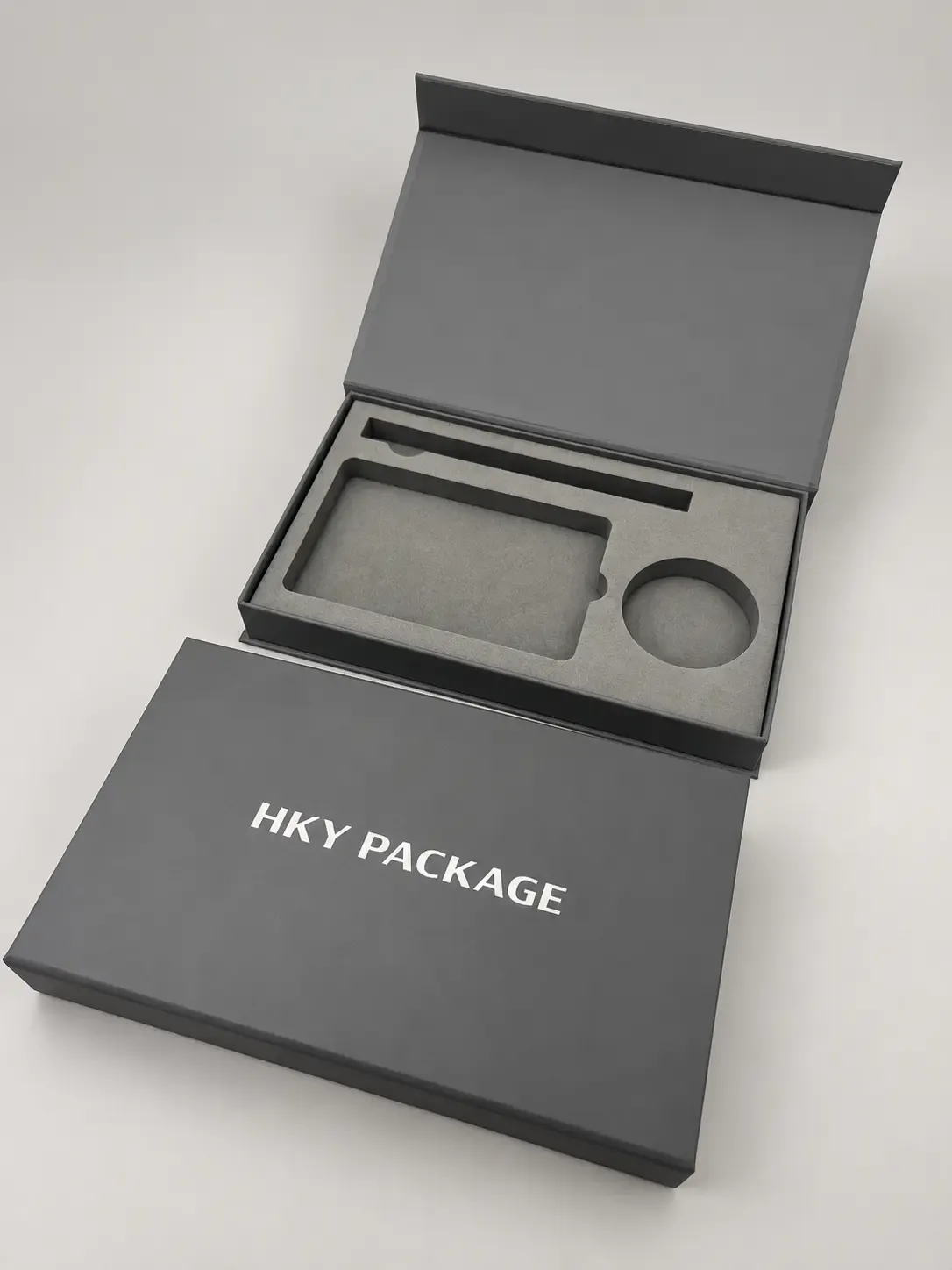
Soft-touch lamination gives packaging a smooth, velvety surface that feels noticeably different from standard matte lamination. It is often used for premium rigid boxes, cosmetic packaging, gift boxes, and other products where touch is an important part of the customer experience.
What Is Soft-Touch Lamination?
Soft-touch lamination is a finishing process in which a special film is applied to the printed paper surface. It creates a low-gloss appearance with a smooth, suede-like or velvety feel.
Compared with standard matte lamination, soft-touch film normally feels warmer and more refined. It can make simple packaging look more premium without adding complicated decorative elements.
Benefits of Soft-Touch Lamination
1. Creates a Premium Tactile Experience
The most recognizable advantage is its distinctive texture. When customers pick up the packaging, the soft surface can make the product feel more valuable and carefully designed.
For packaging sold in retail stores or used during an unboxing experience, touch can influence the customer’s first impression just as much as color and structure.
2. Produces an Elegant Matte Appearance
Soft-touch film reduces surface reflection and gives printed colors a softer, more sophisticated appearance. It works especially well with dark colors, minimalist designs, and premium branding.
Black, navy, dark green, burgundy, and neutral colors often look particularly refined with this finish.
3. Adds Surface Protection
Like other laminated finishes, soft-touch film provides an additional protective layer over the printed paper. It can improve resistance to:
- Light moisture
- Dust and dirt
- Minor surface friction
- Ink rubbing during normal handling
- Small scratches during assembly
However, the exact level of protection depends on the film quality, packaging color, and handling conditions.
4. Works Well with Decorative Finishes
Soft-touch lamination can be combined with other finishing processes to create stronger visual contrast, including:
- Hot foil stamping
- Spot UV
- Embossing and debossing
- Screen printing
- Metallic or raised logos
A common premium combination is soft-touch lamination with foil stamping or spot UV. The soft matte background allows glossy or metallic details to stand out more clearly.
Limitations of Soft-Touch Lamination
1. Higher Cost Than Standard Lamination
Soft-touch film usually costs more than standard gloss or matte lamination. The final price depends on the film type, packaging size, order quantity, and local material availability.
For cost-sensitive packaging, it may be better to apply soft-touch lamination only to the most visible part of the packaging, such as the outer box or sleeve.
2. Fingerprints May Be More Visible
Dark-colored soft-touch surfaces may show fingerprints, grease marks, or handling traces more easily. This is particularly noticeable on large areas of solid black or other deep colors.
3. It Is Not Completely Scratch-Proof
Soft-touch lamination provides surface protection, but it should not automatically be treated as an anti-scratch finish. Some soft-touch films may still develop visible marks during packing, stacking, or long-distance transportation.
If scratch resistance is the main priority, anti-scratch matte lamination may be a more suitable option. The best choice depends on whether tactile quality or surface durability is more important.
4. Color May Appear Slightly Different
The film can affect the depth and appearance of printed colors. Some colors may look slightly darker, softer, or less vivid after lamination.
For packaging with strict brand-color requirements, the final color should be checked on a physical sample rather than approved only through a digital file.
5. Additional Processes Require Testing
Foil stamping, UV printing, gluing, and other processes need to be compatible with the selected film. Poor compatibility may cause weak adhesion, peeling, or uneven finishing.
Testing becomes especially important when the design includes small foil details, large UV areas, or glued sections over the laminated surface.
Where Is Soft-Touch Lamination Best Used?
Soft-touch lamination is most suitable for packaging where presentation, brand image, and customer experience are more important than achieving the lowest possible cost.
Common applications include:
- Premium rigid gift boxes
- Magnetic closure boxes
- Cosmetic and skincare packaging
- Perfume packaging
- Jewelry and watch boxes
- Chocolate and premium food gift boxes
- Electronics and technology packaging
- Fashion and luxury accessory packaging
- Presentation boxes and product launch kits
It is particularly effective for packaging that customers are expected to hold, open, keep, or reuse.
When Might It Not Be the Best Choice?
Soft-touch lamination may not be necessary for every packaging project. A standard matte or gloss finish may be more practical when:
- The packaging is designed for short-term or single-use purposes
- The budget is highly cost-sensitive
- Scratch resistance is more important than tactile quality
- The packaging will experience heavy warehouse handling
- A bright, highly reflective appearance is preferred
- The paper’s natural texture needs to remain visible
The finishing choice should support the product position rather than simply add another process.
Soft-Touch vs. Standard Matte vs. Anti-Scratch Matte
| Finish | Main Advantage | Possible Limitation | Best Use |
|---|---|---|---|
| Soft-Touch | Velvety premium feel | Higher cost and possible fingerprints | Luxury and premium packaging |
| Standard Matte | Balanced appearance and cost | Less distinctive tactile experience | General retail packaging |
| Anti-Scratch Matte | Better resistance to visible scratches | May not feel as soft or luxurious | Dark boxes and transport-sensitive packaging |
What Should You Check on the Sample?
Before approving soft-touch lamination for mass production, check:
- The feel and smoothness of the surface
- The appearance of fingerprints and handling marks
- Scratch resistance on dark-colored areas
- Printed color after lamination
- Foil, UV, and adhesive compatibility
- Film adhesion around edges and folding areas
- The appearance under natural and retail lighting
The same soft-touch film can look and feel different depending on the paper, ink coverage, box color, and finishing combination.
Choosing the Right Finish with HKY PACKAGE
HKY PACKAGE can help compare soft-touch, standard matte, gloss, and anti-scratch lamination according to your packaging design, product positioning, budget, and transportation requirements.
We can also test the selected film with foil stamping, spot UV, embossing, and other finishes before mass production. Sample photos and videos can be provided to help confirm the overall appearance and details.
The best lamination is not always the most expensive option. It is the finish that creates the right balance between appearance, touch, durability, and cost for your product.