Why Customers Buy More Than a Product
Packaging does more than protect products. Learn how materials, colors, structures, and brand stories influence customer perception and create a better product experience.
Why Customers Buy More Than a Product
Why do customers choose one product instead of another?
Many brands focus on product quality, price, and appearance. These factors are important, but they are rarely enough on their own. The market already offers many good products with similar features and prices.
In many cases, customers are also influenced by emotion, trust, personal identity, and the story connected to the product.
That is why packaging deserves more attention.
Packaging Is More Than a Container
The basic purpose of packaging is to protect a product during storage, transportation, and use. However, packaging also influences how customers understand the product before they even try it.
A gift box can communicate thoughtfulness and care. Minimalist packaging can suggest simplicity and quality. Sustainable packaging can reflect environmental responsibility. Carefully designed food packaging can create a feeling of freshness and trust.
The product may remain the same, but the meaning customers attach to it can be very different.
Customers Often Buy Meaning
Customers are not always buying another object. Sometimes, they are buying a feeling, an experience, or a better version of their lifestyle.
- A meaningful way to give a gift;
- A more enjoyable product experience;
- A way to express personal taste;
- A stronger sense of confidence;
- Support for a lifestyle or personal value.
For example, when someone purchases a premium gift, they may not be paying only for the product inside the box. They may also be paying for the experience of making someone feel special.
Packaging helps communicate that experience before the product is used.
A Good Brand Story Should Connect with a Real Need
Not every story can influence a buying decision.
A story becomes meaningful when it connects with something customers genuinely care about. It should not simply praise the product. Instead, it should help customers understand why the product matters to them.
A home product may represent comfort and belonging.
A skincare product may express confidence and self-care.
A food product may remind people of sharing and family memories.
An eco-friendly product may represent a more responsible choice.
These stories work because they connect with emotions and needs that already exist. They do not force customers to change their opinions. They simply give customers a clearer reason to choose.
How Packaging Communicates a Brand Story
Brand stories are not communicated through words alone. Packaging can express a brand’s values through several design elements.
Materials
Paper texture, thickness, softness, and natural fibers can influence how customers perceive quality, comfort, and sustainability.
Color
Color affects mood and helps customers recognize a brand. Warm colors may feel energetic and friendly, while neutral colors may suggest calmness and simplicity.
Structure
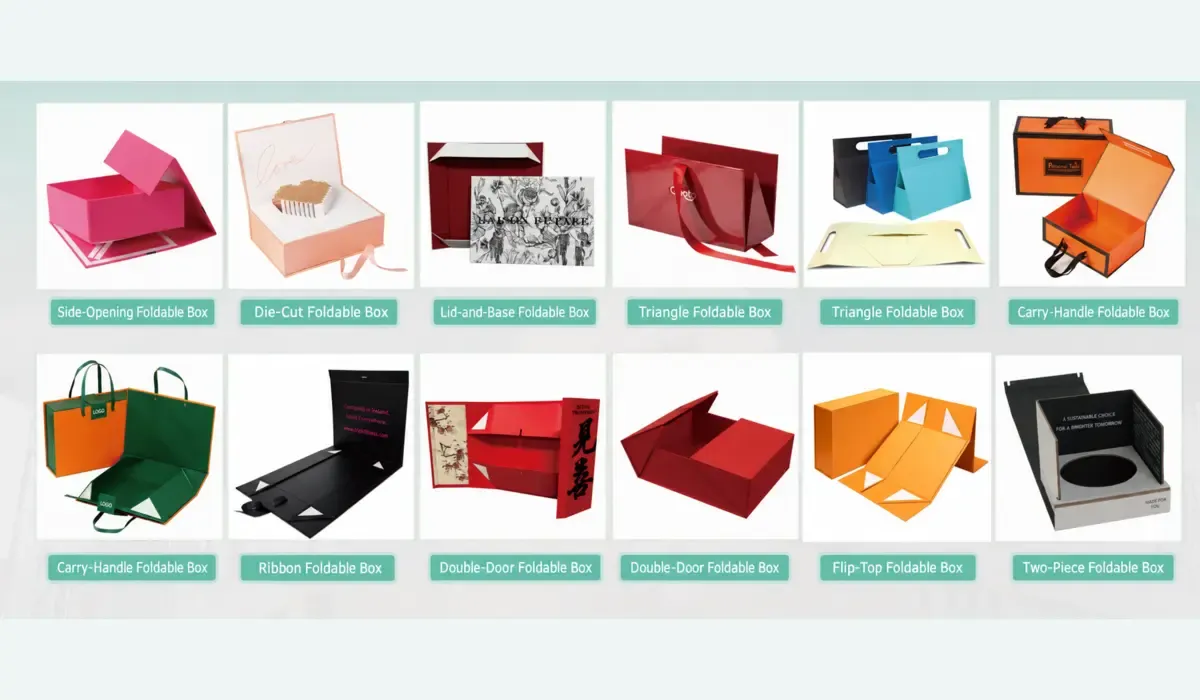
The way a package opens can shape the customer experience. Magnetic boxes, drawer boxes, and book-style boxes can make the opening process feel more deliberate and memorable.
Printing and Finishing
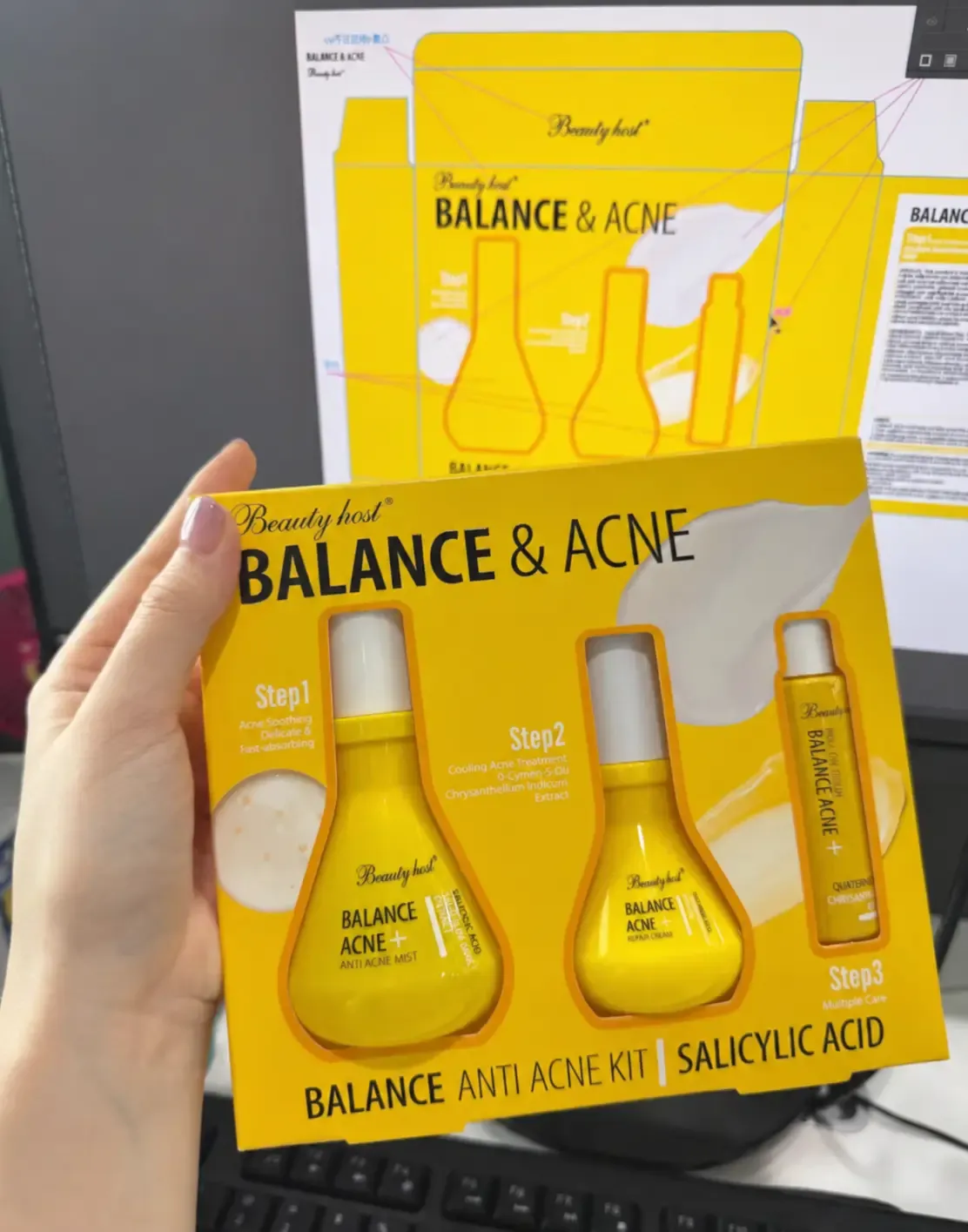
Foil stamping, embossing, UV effects, and spot colors can highlight important brand elements. However, these techniques should support the overall message instead of becoming decoration without purpose.
Inserts and Product Protection
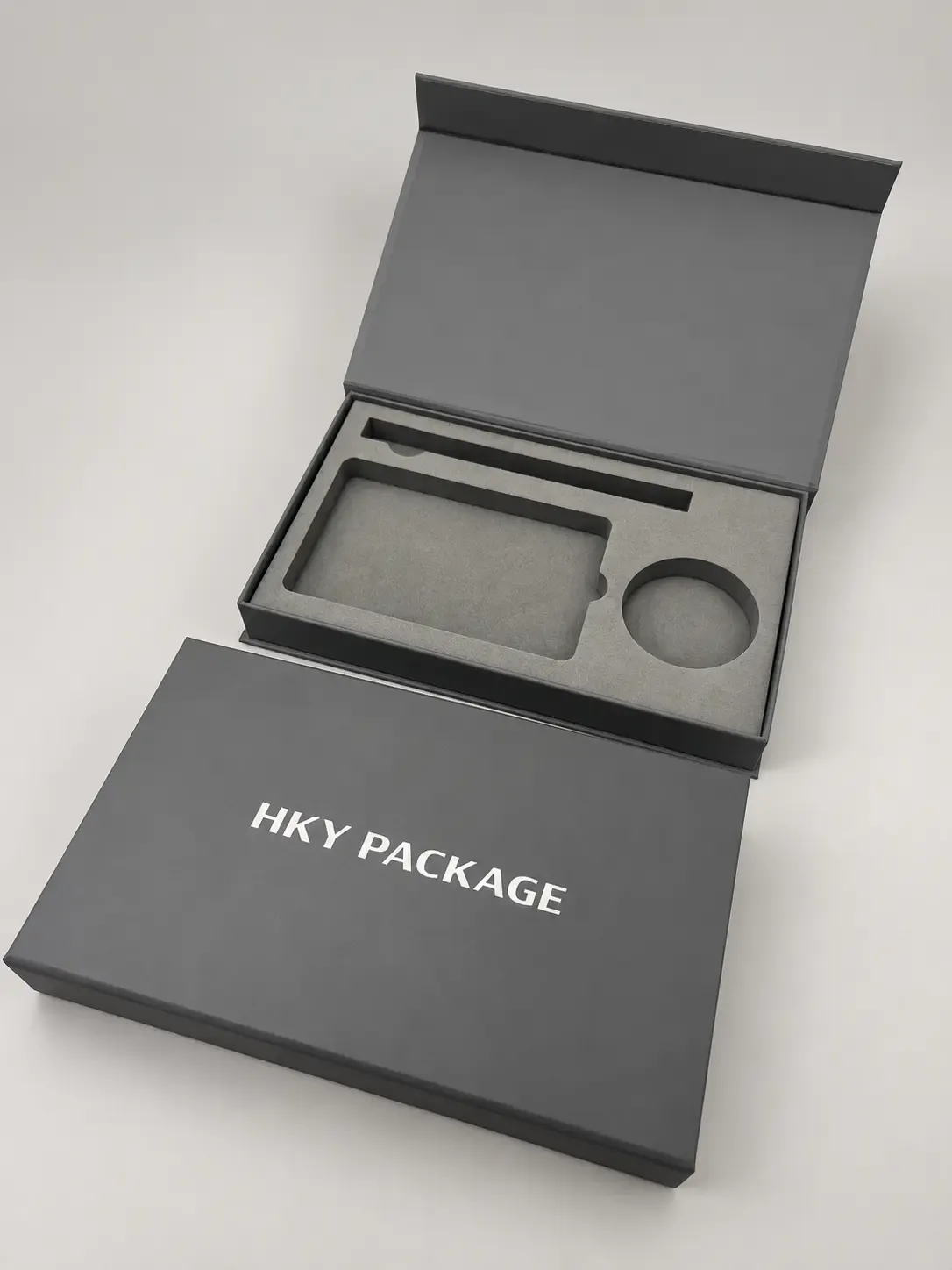
A well-designed insert does more than hold the product in place. It can improve product presentation, create a sense of order, and show attention to detail.
More Decoration Does Not Always Mean More Value
Some brands believe that adding more colors, finishing effects, and structural details will automatically make packaging look more valuable.
In reality, excessive decoration can make a package look confusing and increase production costs. Effective packaging usually has a clear visual focus.
Before selecting materials or special finishes, brands should consider:
- Who is the target customer?
- What feeling should the packaging create?
- Where will the product be sold?
- How much protection is needed during transportation?
- What production budget is available?
- Can the structure protect the product properly?
Good packaging balances appearance, function, cost, and brand communication.
Packaging Helps Customers Explain Their Choice
Customers sometimes need to explain their purchasing decisions to themselves or to others.
A meaningful package can give them a simple reason:
“It feels more thoughtful.”
“I like the brand’s approach to sustainability.”
“The packaging makes it suitable as a gift.”
Packaging cannot replace product quality. A good story may attract attention, but the product and service must support the expectations created by the package.
Otherwise, the emotional connection will not last.
Packaging Must Also Work in Practice
A package may look attractive in a picture, but that is only one part of the design process.
It also needs to be suitable for production, transportation, storage, and everyday use. A complicated structure may create a better opening experience, but it may also require more assembly time or increase shipping volume.
For this reason, packaging decisions should consider both emotional value and practical performance.
- Will the structure protect the product?
- Is the package easy to assemble and use?
- Can the materials be sourced consistently?
- Will the design remain stable during mass production?
- Is the final cost suitable for the product?
The best packaging is not always the most complex option. It is the solution that fits the product, the customer, and the real conditions of the supply chain.
The Role of a Packaging Manufacturer
Creating effective packaging involves more than printing a design on paper. It also requires decisions about structure, materials, finishing, product protection, transportation, and cost control.
Brands can benefit from discussing these details with an experienced packaging manufacturer at an early stage of the project.
HKY PACKAGE has more than 20 years of experience in custom packaging. Our work covers structural design, material selection, sampling, production, quality inspection, and delivery.
These steps help connect creative ideas with practical manufacturing requirements. The goal is not simply to add more decoration to a box, but to create packaging that is clear, useful, and suitable for the product.
Final Thoughts
Customers do not buy packaging alone. They respond to what the packaging represents.
Effective packaging can communicate quality, care, identity, trust, and a vision of a better lifestyle.
Therefore, brands should not ask only:
“How can we make this package look more attractive?”
They should also ask:
“What should customers feel when they see and open it?”
When packaging answers this question clearly, it becomes more than a protective outer layer. It becomes part of the product experience and an important part of the brand story.
Better Packaging. Brighter Tomorrow.